Neurodivergent Superheroes
Why Characters Like Wonder Woman Resonate with Kids
Many children begin understanding themselves through stories long before they understand words like autism or neurodivergence.
A character might simply feel familiar.
Their —
- Thinking makes sense
- Reactions feel relatable
- Determination feels inspiring.
For some children, neurodivergent superheroes can become powerful mirrors. They help children recognise strengths they may already carry.
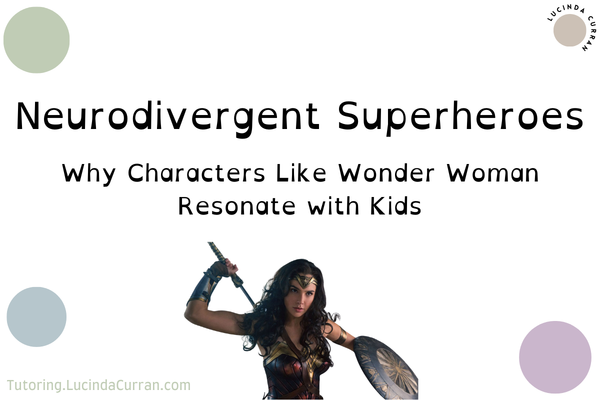
Wonder Woman is one example.
Watch the Video
Stories as Mirrors for Neurodivergent Kids
Children often explore identity through the characters they admire.
When a child sees a character who questions unfair rules, cares deeply about others, or stays focused on a meaningful goal, they may begin to recognise those qualities in themselves.
For neurodivergent children, this recognition can be incredibly empowering.
Traits that sometimes feel difficult in everyday life can suddenly look like strengths when they appear in a hero.
Stories create space for that shift in perspective.
Traits Neurodivergent Kids May Recognise in Superheroes
In the 2017 Wonder Woman film, Diana demonstrates several qualities that many neurodivergent children recognise.
These include:
- A strong sense of fairness and justice
- Intense focus on a meaningful goal
- Questioning rules that do not make sense
- Deep empathy for people who are suffering
- Courage to challenge systems that harm others
When these traits appear in heroic characters, they help children see that difference does not mean deficiency.
Sometimes it simply means a different way of seeing the world.
Justice and Moral Clarity
Many neurodivergent children have a strong sense of fairness;
- Noticing when rules feel inconsistent
- Caring deeply about protecting others
- Questioning systems that seem unjust.
In stories, these qualities are often portrayed as heroic.
Wonder Woman’s determination to protect people from harm reflects this powerful moral clarity.
For children who share that sense of justice, it can be reassuring to see those traits celebrated.
Focus and Determination
Another strength many neurodivergent children recognise is intense focus.
When a goal feels meaningful, attention can become very powerful.
In Wonder Woman, Diana’s determination to stop suffering drives her forward even when others doubt her.
For children who experience deep focus around things they care about, stories like this can validate their persistence and commitment.
Questioning the Rules
Neurodivergent children often ask questions that others may not think to ask.
Why does this rule exist?
Who does it help?
Is there a better way?
In the film, Diana frequently questions the assumptions of the people around her.
This outsider perspective allows her to see possibilities that others overlook.
For many children, learning that questioning systems can be a strength is an important realisation.
Empathy That Leads to Action
There is a common misconception that autistic people lack empathy.
But many neurodivergent children experience empathy very strongly.
They feel deeply when others are hurt or treated unfairly.
In Wonder Woman, Diana’s empathy motivates her to protect people and intervene when she sees suffering.
Her compassion is not passive.
It moves her into action.
Why Stories Like This Matter
Stories help children imagine who they might become.
When a child sees courage, empathy, focus and integrity reflected in a hero, those traits begin to feel valuable.
For neurodivergent children, this kind of representation can be powerful.
It shows them that the qualities which sometimes make them feel different may also be sources of strength.
A Question for Parents and Educators
You might explore these questions with your child:
- Which characters do they relate to most?
- What strengths do they notice in those characters?
- Which scenes feel meaningful or exciting to them?
- What qualities make a hero in their eyes?
These conversations can help children develop confidence in the way their minds work.
Further Reading
You may also enjoy:
A Broader Invitation
Finding the right environment for learning and regulation is different for every child.
Many neurodivergent children struggle not because they cannot learn, but because the systems around them were not designed with their nervous systems in mind.
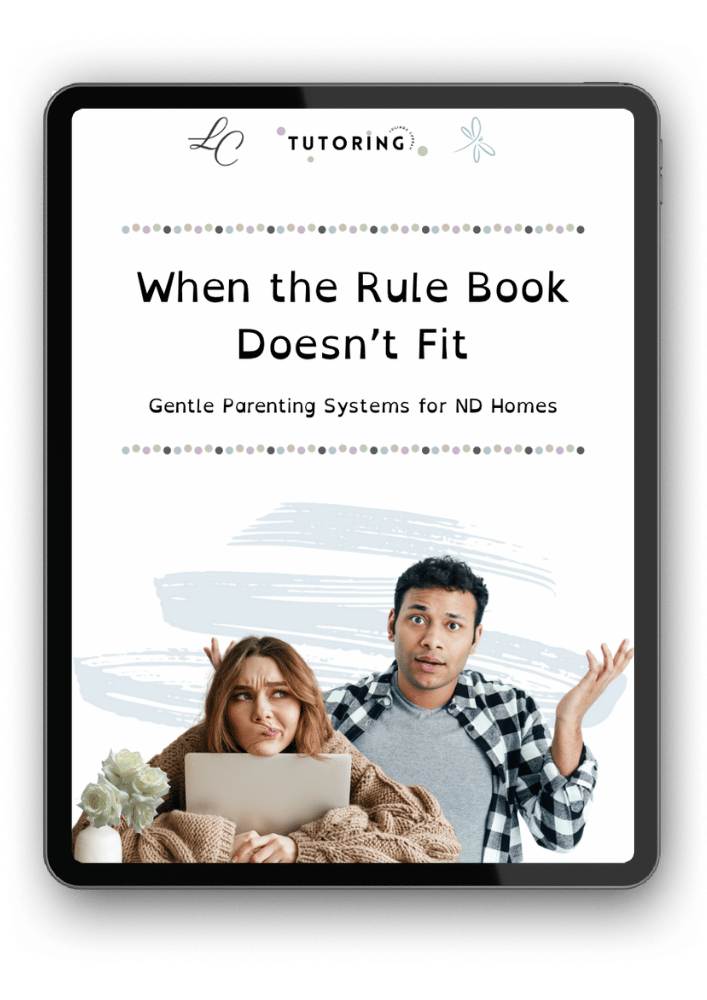
When the Rule Book Doesn’t Fit grew from that understanding.
It offers parents, educators, and neurodivergent adults a way to question inherited templates and explore more regulation-informed approaches to learning and life.